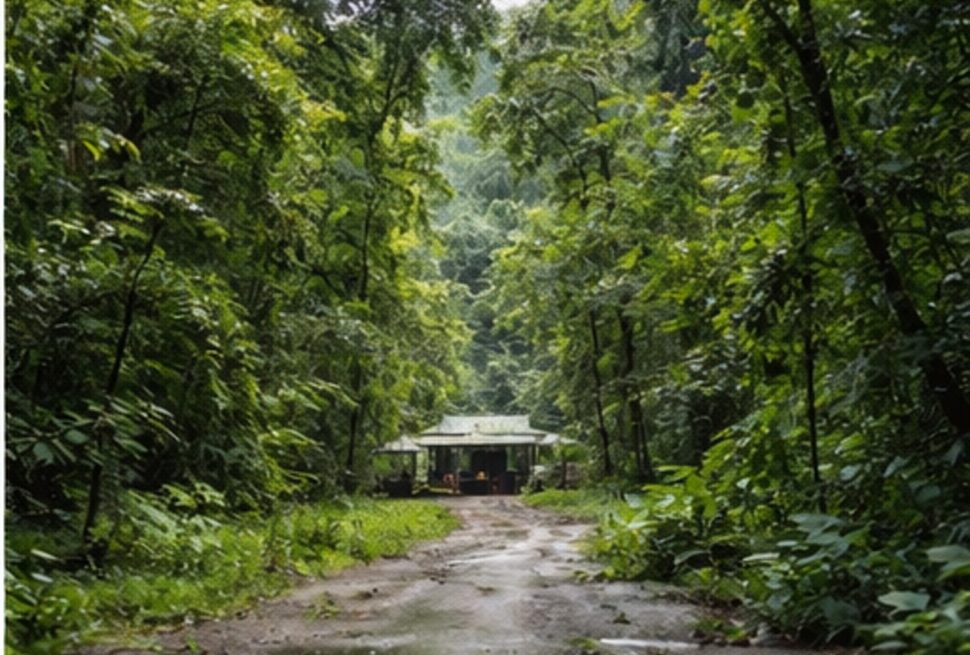
Corcovado National Park is one of the best places in the world to experience wildlife in its natural habitat. Located on Costa Rica’s remote Osa Peninsula, this protected rainforest is home to an astonishing variety of mammals, birds, reptiles, amphibians and marine species, making it one of the most biodiverse ecosystems on Earth.
Every visit to Corcovado is different. One day you might watch spider monkeys swinging through the rainforest canopy, while the next you could encounter scarlet macaws flying overhead or discover fresh tapir tracks along the trail. This unpredictability is part of what makes the park such a remarkable destination for nature lovers.
Whether you are visiting Corcovado for wildlife photography, birdwatching or simply to experience one of Costa Rica’s greatest natural treasures, this guide will introduce you to the incredible animals that inhabit the park and help you understand where you are most likely to encounter them.
If you’re still planning your visit, we recommend reading our How to Visit Corcovado National Park from Drake Bay guide before choosing your tour.
Quick Wildlife Facts
Before exploring the incredible biodiversity of Corcovado National Park, here are a few fascinating facts:
🐒 4 monkey species live in the park, including spider monkeys, howler monkeys, white-faced capuchins and squirrel monkeys.
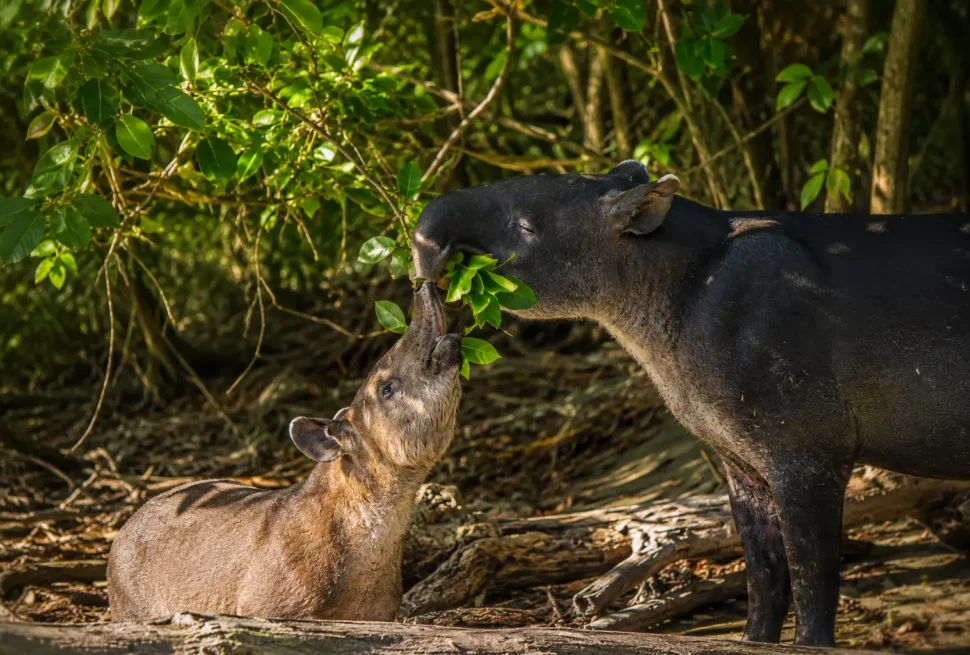
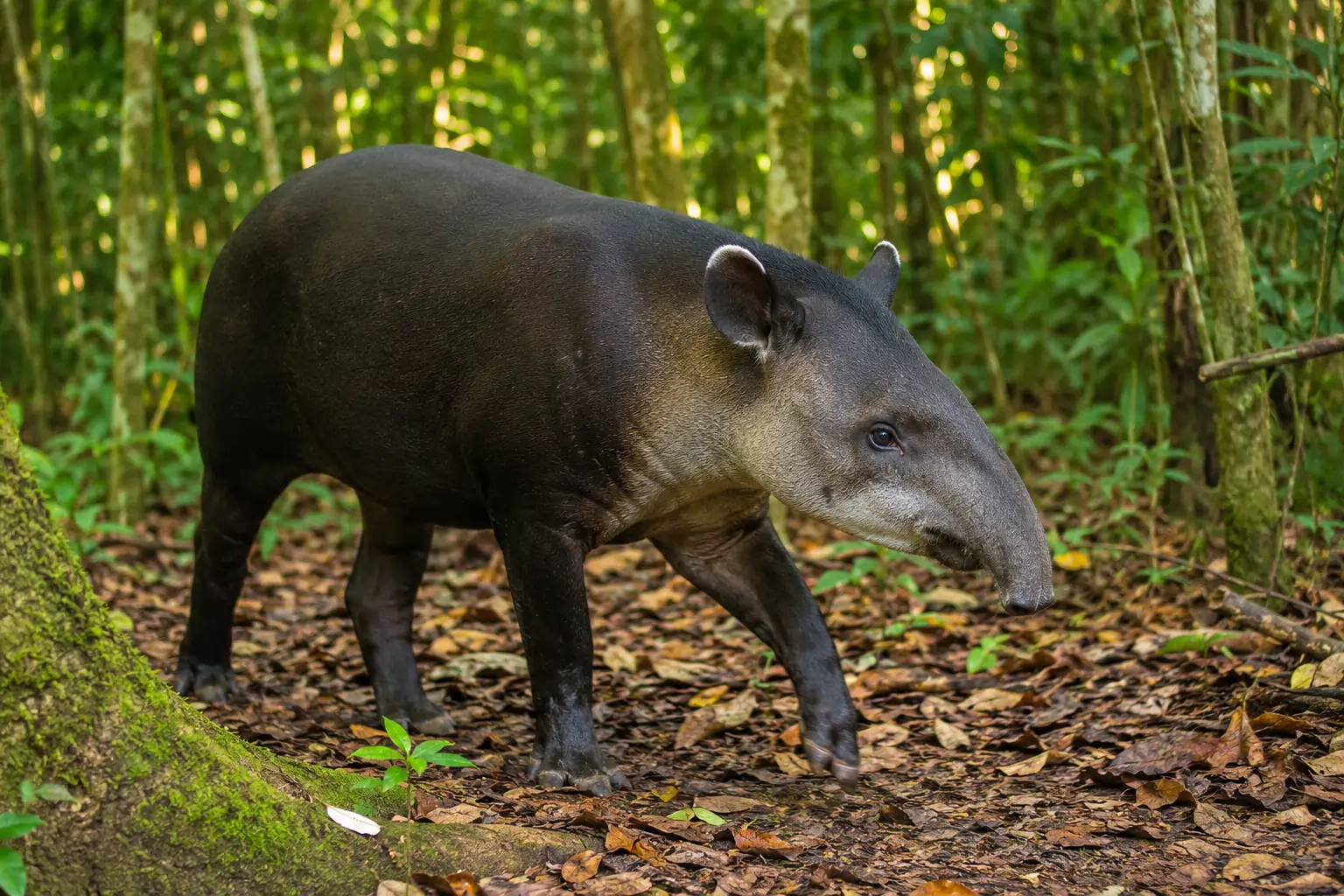
🦥 Home to Baird’s tapir, the largest land mammal in Central America and one of Corcovado’s most iconic animals.
🦜 Hundreds of bird species inhabit the rainforest, including scarlet macaws, toucans, kingfishers and herons.
🐊 Reptiles and amphibians such as crocodiles, iguanas, basilisk lizards and colorful frogs are part of the park’s rich ecosystems.
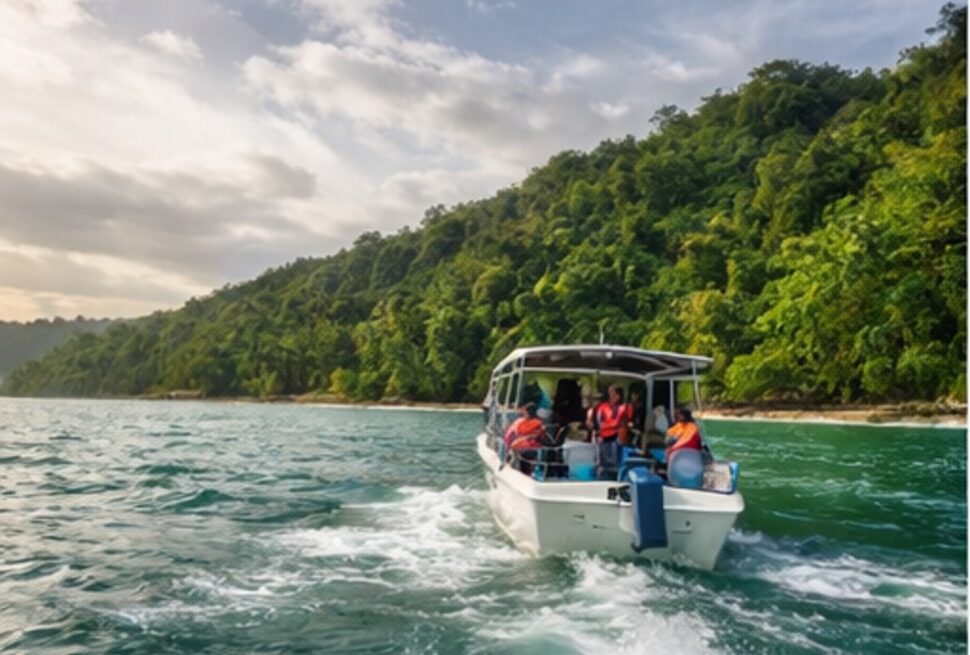
🐢 Marine wildlife can also be discovered near Corcovado when visiting Caño Island, where sea turtles, rays and tropical fish thrive in protected waters.
🌿 One of the most biodiverse places on Earth, making every visit a unique wildlife experience.
Why Is Corcovado National Park So Rich in Wildlife?
Corcovado National Park protects more than 42,000 hectares of tropical rainforest, rivers, lagoons, beaches and coastal habitats.
These diverse ecosystems support hundreds of animal species and create one of the richest concentrations of wildlife in the Americas.
Unlike many protected areas, Corcovado still contains extensive areas of primary rainforest, where ecosystems have remained largely unchanged for thousands of years.
This combination of habitats allows many different species to coexist within a relatively small area, making every hike an opportunity to observe something new.
Although wildlife sightings are never guaranteed, Corcovado offers some of the best opportunities in Costa Rica to observe animals living freely in their natural environment.
Mammals of Corcovado National Park
Corcovado is home to an impressive variety of mammals, from playful monkeys high in the canopy to elusive tapirs quietly moving through the rainforest.
Some are commonly observed during guided tours, while others are much rarer and require patience, experience and a little luck.
If you would like to learn more about each species, visit our complete guide to Mammals of Corcovado National Park.
Monkeys of Corcovado National Park
Four different monkey species live in Corcovado National Park, making them some of the most frequently observed mammals during guided tours.
Visitors may encounter:
- Spider Monkeys
- White-faced Capuchin Monkeys
- Mantled Howler Monkeys
- Central American Squirrel Monkeys
Each species behaves differently and occupies different parts of the rainforest.
Discover where to find them in our complete Monkeys in Corcovado National Park guide.
Birds of Corcovado National Park
Corcovado is also a paradise for birdwatchers.
The park supports hundreds of bird species, including colorful scarlet macaws, toucans, kingfishers, herons and many birds of prey.
Even visitors with little birdwatching experience often leave amazed by the variety of species encountered during a single hike.
Read more in our dedicated Birds of Corcovado National Park guide.
Reptiles and Amphibians
The rainforest is home to a fascinating collection of reptiles and amphibians.
Depending on conditions, visitors may encounter crocodiles, iguanas, basilisk lizards, frogs and many other species that play an essential role in maintaining healthy ecosystems.
Learn more in our Reptiles & Amphibians in Corcovado National Park guide.
Marine Wildlife Around Corcovado
Many visitors combine Corcovado National Park with a snorkeling trip to Caño Island Biological Reserve.
Although marine species are not part of the terrestrial park itself, together they create one of Costa Rica’s richest wildlife experiences.
Sea turtles, rays, schools of tropical fish and many other marine species can often be observed while exploring the protected waters surrounding Caño Island.
Our Marine Wildlife Around Caño Island guide explains what you may encounter during your visit.
Where Are You Most Likely to See Wildlife?
Both Sirena and San Pedrillo offer excellent wildlife opportunities, but each provides a slightly different experience.
Sirena
Sirena is widely known for its excellent wildlife observation opportunities and is often recommended for first-time visitors interested in maximizing their chances of seeing mammals and birds.
San Pedrillo
San Pedrillo combines rainforest, coastal scenery and waterfalls while also providing excellent opportunities to observe many of Corcovado’s native species.
If you’re deciding between the two, our Sirena vs San Pedrillo comparison will help you choose the best option for your trip.
Tips for Responsible Wildlife Watching
Observing wildlife responsibly helps protect Corcovado’s fragile ecosystems while creating a better experience for everyone.
We recommend:
- Following your guide’s instructions.
- Keeping a respectful distance from all animals.
- Never feeding wildlife.
- Speaking quietly while walking.
- Avoiding flash photography whenever possible.
- Remaining patient, as many of the best sightings happen when visitors slow down and observe carefully.
Remember that every animal in Corcovado is wild. Every sighting is a privilege rather than a guarantee.
Wildlife activity can also vary depending on the season. If you’re planning your trip, read our guide on the best time to visit Drake Bay and Corcovado to choose the best period for your adventure.
Frequently Asked Questions
What animals can you see in Corcovado National Park?
Visitors may encounter monkeys, sloths, tapirs, coatis, peccaries, scarlet macaws, toucans, crocodiles, iguanas and many other species depending on the season and conditions.
Can you see jaguars in Corcovado?
Jaguars do inhabit Corcovado National Park, but sightings are extremely rare. They are elusive animals that avoid human contact.
Are sloths common in Corcovado?
Sloths can sometimes be seen during guided tours, although they are well camouflaged and often require an experienced guide to locate them.
Which Corcovado tour offers the best wildlife experience?
Both Sirena and San Pedrillo provide excellent opportunities for wildlife observation, although many visitors choose Sirena when wildlife is their highest priority.
Is Corcovado one of the best places for wildlife in Costa Rica?
Yes. Corcovado National Park is widely regarded as one of Costa Rica’s premier wildlife destinations thanks to its remarkable biodiversity and protected rainforest ecosystems.